In the unforgiving terrain of South African forestry, the safety of those who work amidst the towering trees and unpredictable wildlife is paramount. Knowing the dangers that lurk, from the silent threat of long-term hearing loss to the sudden peril of tumbling timber, forestry professionals seek reliable safeguards that promise a shield against the inherent risks of their trade.
Aware of these searchers, this discussion unveils the thirteen essential pieces of safety equipment that stand as sentinels between the workers and the hazards they face daily.
With years of field knowledge and consultations with seasoned forestry experts, this article brings forth a curated list of safety tools, each with its own story of necessity and resilience. It speaks to the heart of the forestry community in South Africa, understanding the harsh realities of their day-to-day challenges and the unspoken reassurance they seek from their protective gear.
As we delve into the features and benefits of these indispensable allies, we pave the way towards a safer work environment. You are invited to journey through this exploration of safety essentials, confident that the answers to your utmost concerns lie ahead, urging you to read on and equip yourself with the knowledge to navigate the forest's might with confidence.
Key Takeaways
- Personal Protective Equipment (PPE) is crucial for the safety and productivity of forestry workers in South Africa.
- Hard hats are essential for protecting against falling objects, flying debris, and electrical shocks in forestry environments.
- High-visibility safety vests and forestry protective footwear help improve visibility and reduce the risk of accidents.
- Eye protection, such as safety glasses and goggles, is necessary to prevent eye injuries when working with chainsaws and heavy machinery.
Importance of Forestry Safety Equipment
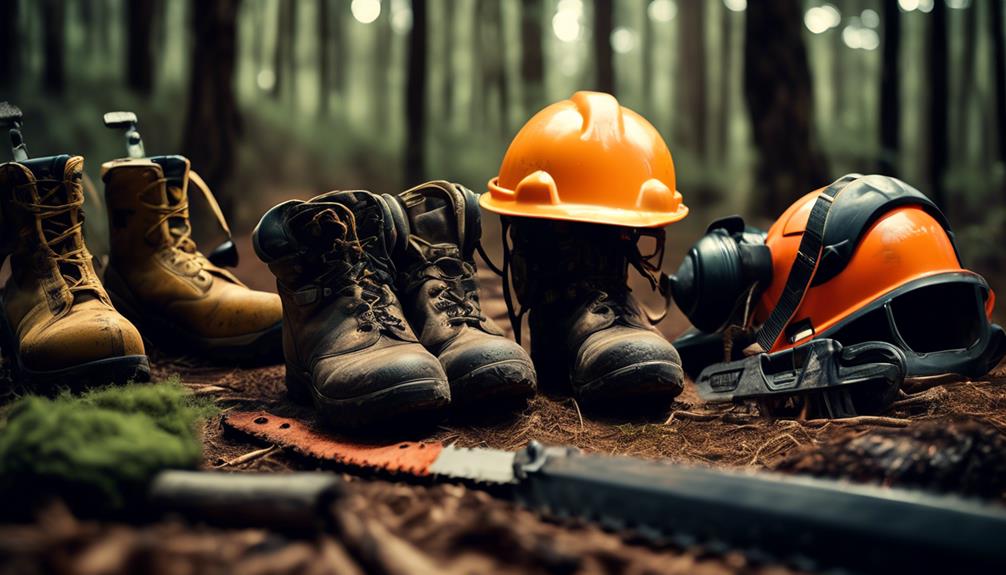
The significance of Personal Protective Equipment (PPE) in forestry work cannot be overstated, as it plays a vital role in ensuring the safety of workers by providing necessary protection for eyes, ears, hands, feet, and heads. This safety equipment includes visors, earphones, gloves, boots, and helmets, all designed to optimize safety in the workplace and prevent injuries and accidents.
PPE is not only relevant in a professional context but also at home. The importance of wearing PPE extends to occupations such as loggers and landscapers, where chainsaw injuries are a common hazard. Therefore, the use of PPE becomes a non-negotiable element in maintaining safety standards.
Quality of PPE also has a significant impact on safety and productivity. For instance, Husqvarna's protective clothing and equipment are examples of safety equipment that have been designed with advanced features to enhance safety measures and increase productivity in forestry work.
Hard Hats: Forestry's Essential Shield
In South Africa's forestry industry, hard hats stand as an essential shield, critical for safeguarding workers from hazards such as falling objects, flying debris, and electrical shocks. They play a vital role in preventing head injuries and are a crucial part of personal protective equipment (PPE) under the Occupational Health and Safety Act.
The use of hard hats is guided by safety protocols that both employers and employees must adhere to. These include:
- Regular inspection of hard hats for any signs of damage or wear.
- Ensuring hard hats are stored properly to avoid damage and prolong their lifespan.
- Providing comprehensive training on the correct usage and care of hard hats.
- Ensuring hard hats fit properly, as incorrectly fitted hard hats can compromise their protective function.
In South Africa, the forestry industry, along with other high-risk sectors such as mining, construction, and transportation, are mandated to use hard hats. This protective measure aligns with the national Health and Safety Act, emphasizing the importance of safety in the workplace.
High-Visibility Safety Vests
As we turn our focus to another critical piece of personal protective equipment in the forestry industry, high-visibility safety vests come into the spotlight, offering increased visibility and enhanced safety in challenging work environments. These vests are an essential part of the safety equipment arsenal for forestry workers, designed to significantly improve visibility, especially in low light or high traffic areas.
This protective clothing and equipment play a vital role in reducing the risk of accidents, thus promoting health and safety in the forestry industry.
High-visibility safety vests are not just an accessory but a necessity for both professional loggers and homeowners engaged in forestry work. The design of these vests is tailored to enhance safety and visibility, making them an indispensable piece of protective gear in forestry operations. Their purpose is to make the wearer stand out against any background, reducing the likelihood of injuries or fatalities.
Forestry Protective Footwear
Forestry protective footwear is a vital component of safety equipment in South Africa's forestry sector. It requires careful consideration of features and suitability. Essential characteristics of such footwear encompass durability, comfort, and the ability to offer robust protection against potential hazards.
The selection process for these boots, therefore, must prioritize these aspects to ensure optimal safety for both professionals and non-professionals involved in forestry-related activities.
Essential Footwear Features
The choice of footwear in the forestry industry is crucial, not only for comfort but also for the safety it provides against hazards such as falling objects, sharp tools, and uneven terrains. It is essential to consider several features when choosing the ideal forestry protective footwear to mitigate these safety hazards.
- Quality and Comfort: The footwear should be of high quality and provide optimum comfort for prolonged use.
- Hazard Protection: It should be designed to offer protection against potential hazards prevalent in the forestry industry.
- Slip-resistant Soles: The footwear should have soles that are slip-resistant, preventing accidents on uneven terrain.
- Durability and Ankle Support: It's necessary for the footwear to provide ankle support and be durable to withstand the rigors of forestry work.
Selecting Suitable Boots
Navigating through the process of selecting suitable boots, or forestry protective footwear, requires careful consideration of various factors such as quality, comfort, hazard protection, and compliance with safety standards.
High-quality boots designed specifically for forestry work offer features like slip resistance, toe protection, and ankle support. Durability is crucial, so choose boots resistant to punctures, cuts, and abrasions.
Ensure your boots meet relevant safety standards and regulations, guaranteeing proper protection. Also, consider the terrain and environmental conditions for which the boots will be used.
Forestry work requirements differ according to location, so select boots suitable for your specific needs. Remember, comfort and safety are paramount when selecting suitable boots for forestry work.
Chainsaw Protective Clothing
In the realm of forestry safety, chainsaw protective clothing plays an indispensable role, offering robust protection against potential injuries that can occur while operating a chainsaw. More so when dealing with heavy machinery, the importance of such protective gear cannot be overstated. Its purpose extends beyond mere compliance with safety regulations; it is about safeguarding the wellbeing of those who serve in the forestry sector.
Here are four key components of chainsaw protective clothing:
- Chainsaw Chaps and Pants: These are made of cut-resistant fabric that lessens the severity of injuries from accidental chainsaw contact.
- Cut-Resistant Gloves: These provide protection for the hands, which are particularly vulnerable during chainsaw operation.
- Safety Helmets: They protect the head from falling debris and also often include face shields.
- Hearing Protection: Usually integrated into the safety helmets, these protect the user from the potentially damaging noise of the chainsaw.
Safety Glasses and Goggles
In the forestry sector, the significance of eye protection cannot be overstated, as it shields workers from airborne particles and potential hazards.
The choice of the correct goggles is paramount, taking into consideration factors such as comfort, fit, and the specific nature of tasks performed.
Beyond this, the maintenance of safety glasses is a necessary step in ensuring their longevity and sustained effectiveness.
Importance of Eye Protection
Shielding one's eyes with safety glasses or goggles plays a pivotal role in forest operations, serving as a crucial defense against airborne particles and potential hazards such as flying debris and chemicals. This equipment is designed with the purpose of minimizing the risk of eye injuries, which can be severe and potentially career-ending.
- Safety glasses provide a barrier against smaller particles and are often used when operating lighter machinery.
- Goggles offer full coverage of the eyes, ensuring protection from larger debris and chemicals.
- Both forms of eye protection are essential for loggers working with chainsaws and heavy machinery, or in areas prone to falling objects.
- Moreover, these devices are indispensable for homeowners engaging in forestry work, emphasizing the universal importance of eye safety.
Choosing the Right Goggles
Selecting the right safety goggles for forestry work involves careful consideration of several key factors, including comfort, secure fit, clear vision, durability, impact resistance, and ultraviolet protection. These features are vital for the safety of workers who operate power tools in forestry, as they prevent airborne particles and potential hazards from causing injuries.
Here is a concise guide to help you make the right choice:
| Feature | Importance | Example |
|---|---|---|
| Comfort & Secure Fit | Ensures long-hour usability | Adjustable straps |
| Clear Vision & Durability | Enhances work efficiency, reduces the need for replacements | Anti-fog, scratch-resistant coatings |
| Impact Resistance & UV protection | Protects from high-speed particles and harmful rays | Polycarbonate lenses |
Maintenance of Safety Glasses
To ensure optimal performance and longevity of safety glasses used in forestry, regular maintenance is a prerequisite. This maintenance of safety glasses is not a one-time activity but an ongoing process.
The following steps are necessary for maintaining safety glasses:
- Cleaning: Always clean your glasses regularly to ensure clear visibility. Use gentle soap and water or lens cleaning solutions.
- Inspection: Regularly inspect your glasses for any scratches, cracks, or damage. Replace damaged glasses immediately.
- Storage: When not in use, keep your safety glasses in a protective case to avoid scratches or other damage.
- Fit-checks: Ensure your glasses fit well. They should provide proper protection and comfort without compromising your vision.
Protective Gloves in Forestry
In the realm of forestry work, the utilization of protective gloves plays a pivotal role in preventing potential injuries, particularly when handling various tools. The essence of protective gloves in forestry cannot be underestimated. These gloves, being well-designed, provide not only comfort but also critical protection for the hands when undertaking various forestry tasks.
The choice of gloves is crucial for both professional loggers and homeowners engaging in landscaping activities. A high-quality glove is essential to ensure both safety and productivity. Wearing these gloves reduces the risk of hand injuries and accidents, emphasizing their importance in forestry work.
Gloves composed of robust materials can withstand the wear and tear associated with forestry tasks, providing increased longevity. Additionally, they should allow for flexibility and dexterity, enabling the user to handle tools with precision and ease.
First Aid Kits for Forest Workers
Why are first aid kits indispensable for forest workers, one may ask? The answer lies in the hazardous nature of forestry work. Accidents and injuries are a constant risk, making first aid kits for forest workers an absolute necessity. These kits provide immediate assistance, mitigating the effects of injuries and potentially saving lives.
The components of these kits are crucial. The following four items are particularly noteworthy:
- Bandages and Gauze: These items are used to cover wounds, helping to control bleeding and prevent infections.
- Antiseptic Wipes and Adhesive Tape: These help to clean wounds and secure bandages or gauze in place.
- Splints and Cold Packs: These are used for treating sprains and fractures, reducing pain and swelling.
- CPR Mask: This is a lifesaving tool in cases of cardiac arrest, enabling forest workers to perform CPR effectively.
Moreover, it's vital that forest workers are trained in first aid and CPR, and that they know the location and contents of their kits. Regular inspections and restocking of these kits ensure their continual readiness, bolstering the safety net for those who serve our forests.
Respiratory Protective Devices
Serving as a critical line of defense, respiratory protective devices play an indispensable role in shielding forestry workers from harmful particles and airborne chemicals, contributing to a safer and healthier working environment. These devices are crucial for preventing respiratory illnesses and long-term lung damage caused by inhaling sawdust, chemical fumes, and other airborne hazards.
Different types of respiratory protective devices, such as N95 masks and respirator cartridges, are available to address specific respiratory protection needs in forestry activities. Each device type offers unique features and protection levels. For example, N95 masks filter out at least 95% of airborne particles, while respirator cartridges are designed to protect against specific gases and vapors.
| Device Type | Primary Use |
|---|---|
| N95 Masks | Filtering airborne particles |
| Respirator Cartridges | Protecting against specific gases |
Proper fitting, usage, and maintenance of these devices are integral to their effectiveness. Regular training and monitoring ensure these protective measures are upheld, safeguarding the health and safety of our forestry workers. It's an investment in the well-being of these invaluable members of our society.
Advancements in Safety Harnesses
Harnessing the power of design and technology, safety harnesses have undergone remarkable advancements, offering workers in the forestry industry unprecedented levels of comfort, protection, and ease of use. This marked evolution is driven by the relentless pursuit of safety, which is paramount in hazardous forestry work environments.
Here are the four notable advancements:
- Innovative Features: Modern safety harnesses now come equipped with quick-release buckles and padded shoulder straps. These features, along with adjustable fits, enhance comfort and ease of use, promoting 20% more efficiency in forestry operations.
- Specialized Materials and Construction: Harnesses are now built with specialized materials and smart construction techniques that improve durability and distribute weight evenly, reducing strain on the wearer.
- Ergonomic Design: New designs incorporate ergonomic elements to minimize fatigue during extended wear, ensuring greater safety and productivity for workers.
- Compliance with Stringent Safety Standards: Advanced safety harnesses are engineered to meet strict safety standards, offering increased peace of mind for users.
These advancements in safety harnesses are making significant strides in the forestry industry, ensuring that workers are not only protected but also comfortable, increasing overall productivity.
Ear Protection: Avoiding Noise Hazards
While advancements in safety harnesses offer increased protection for forestry workers, another critical aspect of safety in this industry is ear protection, as sustained exposure to noise levels exceeding 85dBA can result in significant hearing damage or loss.
Modern ear protection, such as ergonomic earphones, are designed to provide both comfort and safety, shielding the wearer from dangerous decibel levels while working with outdoor power equipment. These devices are not only essential for professional loggers but also for homeowners, acting as a critical barrier to prevent accidents and mitigate the severity of noise hazards.
However, simply having access to hearing protection is not sufficient. Employers are responsible for ensuring their workers receive proper training on how to correctly wear and maintain these devices. This training extends beyond the simple usage of ear protection, including necessary instruction on understanding the risks of exposure to excessive noise, recognizing early signs of hearing damage, and the importance of regular hearing checks.
Firefighting Equipment for Forestry
Firefighting equipment for forestry plays a pivotal role in both preventing and battling wildfires. Essential tools such as fire rakes, shovels, and backpack water pumps contribute to creating firebreaks and extinguishing minor fires. Items like portable water tanks, fire hoses, and fire-resistant clothing are indispensable for managing and suppressing larger forest fires.
Furthermore, effective communication devices such as two-way radios facilitate coordination of firefighting efforts, thereby ensuring safety. Training in the correct use of this equipment is key to an effective response to forest fires.
Essential Firefighting Tools
Navigating the volatile domain of forestry fires necessitates an array of specialized firefighting tools designed to mitigate and control these potentially catastrophic events. The selection of these essential firefighting tools must prioritize safety and effectiveness.
- Chainsaw chaps and pants: These are vital in preventing accidents and reducing their severity during forestry work.
- Safety Helmets: A good example is the forest helmet from Husqvarna, offering a balance between robustness and lightweight design.
- Personal Protective Equipment (PPE): This enhances safety while operating outdoor power equipment, thus reducing the risk of injuries.
- Hard hats: Industries such as forestry require these for safety.
In essence, embracing these tools not only ensures the safety of the personnel but also amplifies the productivity and efficiency of firefighting operations.
Fire Prevention Strategies
Building on the importance of personal safety tools, the focus now shifts to preventive strategies, specifically, the vital role of firefighting equipment in forest fire management.
Fire prevention strategies in South Africa's forestry sector involve the use of fire-resistant clothing and equipment, minimizing the risk of burns during firefighting operations.
Effective firefighting tools such as fire-resistant hoses, pumps, and water backpacks are indispensable for combating forest fires.
The implementation of controlled burning techniques and firebreaks are crucial to prevent the spread of wildfires.
Furthermore, the installation and maintenance of fire detection and monitoring systems facilitate early warnings and rapid response.
The continuous training of personnel in fire prevention and firefighting techniques underscores the importance of correct equipment use and strict adherence to safety protocols.
Safety Equipment Maintenance and Replacement
In the realm of forestry safety, diligent maintenance and timely replacement of equipment is crucial to ensure optimal performance and maintain high protection levels. To serve those who dedicate their lives to the conservation of our forests, it's vital to know exactly how to maintain and when to replace safety equipment.
- Regular Inspection: Safety equipment should be inspected frequently for signs of wear and tear. This step ensures that it remains effective and continues to offer the necessary protection.
- Prompt Replacement: Damaged or expired safety equipment should be replaced promptly. Delaying this could jeopardize the safety of those relying on these tools.
- Adherence to Manufacturer's Guidelines: Always follow the manufacturer's guidelines for maintenance and replacement. This ensures the equipment performs optimally and lasts as long as intended.
- Inventory Management and Scheduling: Keeping an inventory of safety equipment and establishing a maintenance and replacement schedule is key to staying prepared.
Remember to properly store equipment when not in use to prevent deterioration and maintain its protective features. By following these guidelines, we can ensure that our forestry workers are protected, and our forests are conserved effectively.