As the whispering winds move through South Africa's vast forests, professionals and enthusiasts alike are on a quest for the ultimate eco-friendly tools to redefine sustainable forestry. These tools are the unsung heroes that marry productivity with environmental stewardship, ensuring that the industry thrives without sacrificing the delicate balance of nature. Within this green revolution, challenges abound—balancing efficiency with ecological impact, navigating technological advancements, and making informed choices amidst a sea of options.
With a deep-rooted understanding of these complexities, this article serves as a compass, guiding you through the forest of choices to the nine best eco-friendly forestry tools available in South Africa. These innovations stand as a testament to what's possible when we harness technology for the earth's benefit, and they signal a promising path forward for the industry.
As the journey unfolds, rest assured that each step is aimed at enriching your practice with sustainable excellence, leading to a crescendo of informed decisions that resonate with your professional ethos. So let us venture into the heart of eco-savvy forestry, where every tool is a step towards a greener tomorrow.
Key Takeaways
- Eco-friendly forestry practices focus on minimizing environmental impact and promoting sustainability.
- Solar-powered forestry equipment reduces reliance on fossil fuels and contributes to carbon emission reduction.
- Efficient water conservation tools help conserve water resources in forestry operations.
- Robust and eco-friendly logging tools, such as ECHO's products, balance efficiency with minimal environmental impact.
Understanding Eco-Friendly Forestry
Eco-friendly forestry, a crucial aspect of sustainable environmental stewardship, involves the utilization of tools and practices designed to minimize environmental impact while simultaneously maximizing efficiency in the maintenance and preservation of forests and green spaces. Central to this endeavor is the development and promotion of eco-friendly forestry tools, which are designed with sustainability at their core.
In South African forestry, there's an increasing recognition of the need for such tools and practices. They are not only essential for preserving the country's rich biodiversity but also contribute to the well-being of communities by protecting natural resources. The move towards eco-friendly forestry is supported by collaboration with industry experts and organizations, which play a crucial role in advancing sustainable practices.
The adoption of technologies and certifications such as the Forest Stewardship Council (FSC) and Programme for the Endorsement of Forest Certification (PEFC) ensures adherence to sustainable forest management principles. Providers and innovators like Green Projects, AFGRI Equipment, and Ponsse are leading the charge, contributing to the shift towards environmentally responsible practices in South African forestry. Their commitment to eco-friendly forestry underlines the importance of sustainable forest management for future generations.
Benefits of Sustainable Forestry Tools
Building upon the commitment to sustainable practices in South African forestry, it is essential to understand the myriad of benefits offered by the use of sustainable forestry tools. These tools, constructed conscientiously with eco-friendly materials and processes, are geared towards preserving South Africa's precious natural habitats and biodiversity.
Sustainable forestry tools not only reduce environmental impact but also maximize efficiency. They promote responsible manufacturing and minimize resource wastage, thereby fostering economic viability within the forestry sector. Moreover, they aid in maintaining and preserving green spaces and forests for future generations, serving an invaluable role in achieving our shared environmental objectives.
The following table presents an overview of the benefits of sustainable forestry tools:
| Benefits | Description |
|---|---|
| Preservation of habitats | Helps maintain biodiversity |
| Efficiency and reduced waste | Maximizes resource use and minimizes wastage |
| Support to community well-being | Ensures the sustainability of local communities and natural resources |
In essence, the adoption of eco-friendly forestry tools is not just a step towards sustainable forestry in South Africa, but a stride towards a more sustainable global future.
Solar-Powered Forestry Equipment
In a significant leap towards renewable energy utilization within the forestry sector, solar-powered equipment presents an innovative and sustainable solution, harnessing the sun's energy to drive operations while minimizing environmental impact. These tools, effectively reducing reliance on traditional fossil fuels, embody commitment to innovation and sustainability within the forestry industry.
Forestry South Africa (FSA) advocates for the use of such solar-powered forestry equipment, as it contributes to the reduction of carbon emissions, promotes environmentally responsible forestry practices, and aligns with global efforts to reduce carbon footprint. The use of this equipment reflects a broader shift in the sector towards sustainable and eco-friendly solutions, in line with the principles of responsible forest management.
Moreover, solar-powered equipment offers an economically viable alternative for forestry operations. By utilizing solar energy, long-term operational expenses are significantly reduced, making it a cost-effective choice. This aligns with FSA's commitment to promote green initiatives, contributing to a sustainable future for the forest industry in South Africa.
These advancements underscore the potential of renewable energy in revolutionizing the forestry sector, with solar-powered equipment at the forefront.
Efficient Water Conservation Tools
Undeniably, efficient water conservation tools play a pivotal role in maximizing water usage within forestry operations, significantly curbing water wastage while fostering sustainable water management practices. These eco-friendly forestry tools are indispensable in South Africa's bid to conserve its precious water resources, especially in the face of increasing environmental challenges.
To paint a clearer picture, here are some of the top efficient water conservation tools in use today:
- Water-saving irrigation systems: These allow for precise water distribution, ensuring plants receive just the right amount, hence reducing water wastage.
- Soil moisture sensors: These devices provide accurate data on soil water content, helping to prevent over-irrigation.
- Rainwater harvesting systems: These collect and store rainwater, reducing reliance on groundwater.
- Drip irrigation systems: These deliver water directly to the plant roots, minimizing evaporation and runoff.
- Smart water meters: These monitor and control water usage, alerting users to any potential wastage or leaks.
These tools, when used effectively, can significantly contribute to water conservation, promoting not just a more sustainable forestry sector, but a more eco-friendly South Africa as well.
Robust Eco-Friendly Logging Tools
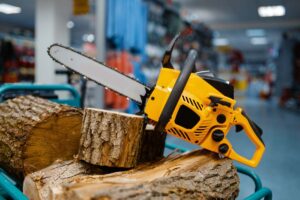
With a rich legacy spanning over 75 years, ECHO has established itself as a global leader in the design and production of high-performance, eco-friendly logging tools, striking the perfect balance between efficiency and minimal environmental impact. Their commitment to sustainable practices is evident in their diverse product portfolio, including the powerful CS-7310SX professional chainsaw and the versatile DCS-310 battery-powered chainsaw, both designed to reduce carbon emissions and energy consumption.
ECHO's dedication to minimizing environmental impact extends beyond product development. Their strict adherence to forest management certification standards ensures the sustainable sourcing of materials, while a robust chain of custody system guarantees traceability and accountability in every step of their manufacturing process. This commitment aligns with the ethos of serving others and preserving natural resources for future generations.
In South Africa, the recent expansion of AFGRI Equipment in Tzaneen has made ECHO's eco-friendly forestry tools more accessible. Offering a wide range of agricultural and forestry equipment, including ECHO products and John Deere harvesters and skidders, AFGRI reinforces ECHO's mission to promote sustainable forestry practices while providing robust, efficient tools for the industry.
Innovative Forestry Monitoring Devices
As ECHO's eco-friendly tools are forging the path towards sustainable forestry practices, the advent of innovative forestry monitoring devices is revolutionising the sector by providing real-time, precise data on forest health and environmental conditions. These devices, using advanced sensors and satellite technology, are making significant strides in forest certification, offering a sustainable solution for forest conservation.
Innovative forestry monitoring devices use advanced sensors and satellite technology to track tree growth, soil moisture, and climate patterns accurately. They offer a sustainable and eco-friendly solution to monitor deforestation, biodiversity, and carbon sequestration in forests.
These devices bolster sustainable forestry practices by providing precise data for resource management and conservation efforts. They support forest certification by providing robust data for informed decision-making and efficient ecosystem maintenance.
The environmental benefits these devices offer are invaluable, contributing to the overall health of our planet.
These devices are not only revolutionising the way we understand and interact with our forests; they are also providing a sustainable, eco-friendly solution to forest management, making them a vital tool in the fight against climate change.
Reducing Carbon Footprint in Forestry
In the pursuit of sustainable forestry, it is crucial to adopt practices that effectively reduce the carbon footprint of forestry operations. Implementing sustainable harvesting practices is one of the fundamental steps towards achieving this goal. These methods not only ensure the replenishment of the forests but also help in reducing the carbon emissions associated with forestry activities.
Utilizing eco-friendly forestry tools is an indispensable strategy for reducing carbon footprint in forestry. These tools, many of which are powered by renewable energy sources or batteries, significantly decrease emissions and environmental impact. Their adoption in South Africa's forestry sector is a commendable move towards responsible forestry.
The Forest Stewardship Council (FSC) plays a vital role in promoting sustainable forestry practices, including reforestation and afforestation efforts. These initiatives help offset the carbon emissions resulting from forestry activities, moving us closer to achieving carbon neutrality in the industry.
The Role of Recycled Materials
Harnessing the power of recycling, eco-friendly forestry tools often incorporate recycled materials, a strategic move that not only minimizes the environmental impact of manufacturing processes but also reduces the demand for virgin resources, thus promoting sustainability and responsible manufacturing practices.
Recycled materials are indeed playing an increasingly significant role in the production of forestry tools. They contribute to the following key areas:
- Minimizing environmental impact by reducing reliance on non-renewable resources.
- Reducing the demand for virgin resources, thus promoting sustainable practices.
- Demonstrating commitment to environmental stewardship by extending the lifespan of materials.
- Showcasing innovation in sustainable product design, contributing to waste minimization.
- Helping to reduce carbon emissions, thereby minimizing the ecological footprint of the forestry equipment manufacturing sector.
In essence, the incorporation of recycled materials into forestry tools shows a clear commitment to sustainability. It reflects a forward-thinking approach to manufacturing, where the old is repurposed for the new, fostering a circular economy.
Therefore, the role of recycled materials in the production of eco-friendly forestry tools is not just significant, but pivotal, in our quest for a sustainable future.
Community Impact of Sustainable Forestry
Undoubtedly, sustainable forestry practices have far-reaching implications, significantly contributing to the well-being of communities and the preservation of natural resources. The community impact of sustainable forestry is seen in multiple ways, particularly through social and environmental benefits.
Sustainable forestry initiatives enhance environmental conservation, maintain green spaces, and preserve local ecosystems, all of which are crucial for the welfare of communities. These practices bolster the health and longevity of the environment, promoting a sustainable future for generations to come.
Moreover, small landowners are empowered by sustainable forestry practices. By adopting these methods, they can effectively manage their lands, ensuring their productivity and profitability without compromising the environment. This not only supports the livelihoods of these landowners but also contributes to local economies and community development.
Furthermore, the use of eco-friendly forestry tools, designed to minimize environmental impact while maximizing efficiency, aligns with the principles of sustainable forestry. Through collaboration with industry experts and organizations, communities can promote environmental stewardship, fostering a collective commitment to responsible manufacturing and sustainability.