Selecting the ideal forestry cutting equipment is crucial for efficiency and safety in South Africa's extensive woodlands. You're likely here to gain insights on the most reliable tools to streamline your operations amidst the region's diverse forestry demands.
We understand the complexities and tough decisions you face when it comes to investing in the right machinery—whether it's the high cost of quality equipment, the challenge of finding tools that can endure the demanding forestry environment, or ensuring your crew's safety.
Our in-depth knowledge of South Africa's forestry sector and the intricacies of its cutting equipment positions us to guide you through the selection process, ensuring you make informed decisions. By addressing the nuances of each key tool, from chainsaws to log splitters, this article is crafted to meet the specific needs of professionals seeking to enhance their operations.
Let the exploration of these six indispensable pieces of equipment be your compass to navigating the forestry landscape with confidence. Continue reading to discover how these tools can revolutionize your work, as we delve into the details that matter to you.
Key Takeaways
- Chainsaws, wood chippers, harvesters, forwarders, and feller bunchers are essential cutting equipment in South African forestry.
- Each tool has specific features, capabilities, and maintenance requirements, and their selection depends on power, performance, durability, and task requirements.
- Safety features, training, and adherence to precautions are crucial for efficient and safe operations.
- These cutting equipment contribute to sustainable forestry practices by minimizing environmental impact, preserving the integrity of the forest ecosystem, and promoting organic material recycling.
Understanding Forestry Cutting Tools
A comprehensive understanding of forestry cutting tools, encompassing chainsaws, brush cutters, and clearing saws, is a paramount requirement for efficient, ergonomically sound, and safe tree felling and clearing operations. These tools, each designed with specific cutting tasks in mind, form the backbone of any forestry equipment arsenal.
The optimal performance of these tools is contingent on a proper understanding of their features, capabilities, and maintenance requirements. Each tool's power and performance capabilities vary, dictating the appropriate conditions and tasks for their use. Simultaneously, understanding their durability and ease of use can contribute to efficient operations, reduced muscle strain, and improved ergonomics for the user.
Equally essential is the knowledge of each tool's safety features. Regular training, familiarity with user manuals, and adherence to safety precautions are crucial to prevent accidents and ensure the effective use of forestry equipment.
Chainsaws: A Forestry Essential
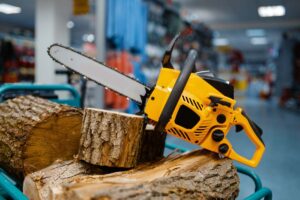
What could be more fundamental to forestry cutting operations than the chainsaw, a tool of unparalleled efficiency and precision in tree felling and clearing? The chainsaw is a quintessential element in the realm of forestry operations, with its unique ability to provide unrivalled productivity, even in challenging environments.
- Chainsaw Selection: When deciding on the most suitable chainsaw, consider factors such as its power and performance capabilities, durability, and the specific requirements of the forestry tasks at hand.
- Chainsaw Safety: Safety is paramount when using chainsaws. Appropriate safety gear, including gloves, protective eyewear and sturdy footwear, should always be worn. Familiarity with the user manual and maintaining a safe operating distance are also essential safety practices.
- Chainsaw Maintenance: Regular inspection and maintenance of your chainsaw ensure longevity and optimal performance. This includes timely sharpening of the chain, cleaning air filters, and checking the tension of the chain.
- Professional Training: Especially for inexperienced users, professional training can be invaluable. Not only does it enhance chainsaw safety but also promotes efficient and effective usage.
Wood Chippers in South African Forestry
How vital are wood chippers in South African forestry, one might ask? These machines, used for processing tree branches and trunks into manageable wood chips, are indeed indispensable. Their role in reducing the volume of woody material not only aids transport but also facilitates various applications.
| Benefits of Wood Chippers | Selecting the Right Wood Chipper |
|---|---|
| Volume reduction | Size and power |
| Organic material recycling | Durability and maintenance |
| Forestry area maintenance | Fit for purpose |
The benefits of wood chippers are extensive, including promoting safer, more organized forestry areas by clearing away fallen branches and trees. They also play a crucial role in recycling organic material, which can be used for mulching, landscaping, and energy production.
Selecting the right wood chipper, however, requires careful consideration. Factors such as size, power, durability, suitability for the task, and ease of wood chipper maintenance are all critical components to consider. An investment in a high-quality wood chipper can significantly improve the efficiency and sustainability of forestry operations in South Africa, serving the needs of the environment and the industry.
The Role of Harvesters
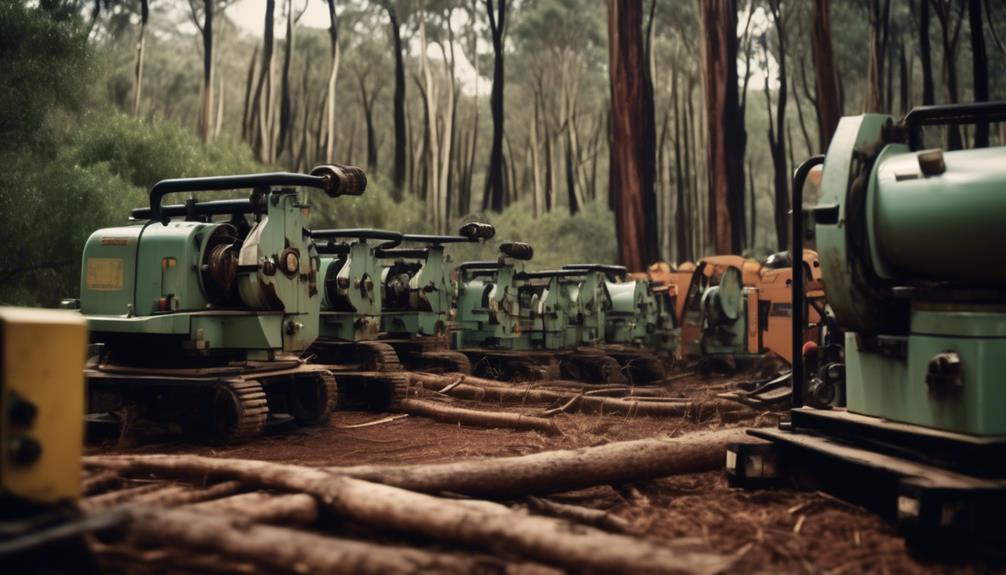
Harvesters, as a key piece of forestry cutting equipment, significantly enhance the timber harvest process in South Africa. The diverse types of harvesters, along with their unique operations, provide a streamlined approach to felling, delimbing, and bucking trees.
Types of Harvesters
In the realm of forestry cutting equipment, various types of harvesters have been developed, all designed to optimize efficiency, safety, and precision in felling, delimbing, and processing trees into usable forms. These machines are distinguished by the following features:
- Advanced harvester technology advancements that streamline the timber harvesting process, enhancing productivity and precision.
- Versatile cutting mechanisms adaptable to diverse forestry environments and tree species.
- Robust design requiring minimal harvester maintenance, ensuring longevity and reliability.
- Key harvester features that prioritize worker safety, reducing the risk of accidents during forestry operations.
Understanding the role and capabilities of different harvesters allows us to fully appreciate their contribution to sustainable forest management and the tireless service they provide to the forestry sector.
Harvester Operation Basics
Operating within the heart of the forestry industry, harvesters serve a pivotal role in the efficient and safe felling, delimbing, and processing of trees directly at the logging site. Their operation requires skill and knowledge, with safety guidelines for harvester operation being of paramount importance. Understanding the machine's capabilities and adhering to these safety measures ensures both the operator's well-being and the machine's longevity.
Furthermore, harvester maintenance tips, such as regular inspection and timely replacement of worn-out parts, can greatly extend the life of the machine. Optimizing harvester productivity not only maximizes the output but also reduces labor costs. Thus, a well-operated and maintained harvester is indeed an invaluable asset in the forestry industry.
Importance of Forwarder Equipment
The crucial role of forwarder equipment in the efficient transport of harvested timber from the depths of the forest to roadside or landing areas cannot be overstated. As a key piece of forestry cutting equipment, the benefits of using forwarder equipment are manifold.
- Efficiency: Forwarder equipment drastically reduces the manual labor involved in timber extraction, thus enhancing productivity and the overall efficiency of the forestry operation.
- Environmental Protection: This equipment minimally impacts the forest floor and surrounding vegetation, preserving the ecological balance and contributing to sustainable forestry practices.
- Adaptability: Designed to work in challenging terrains, forwarders ensure reliable performance even in the most rugged forest environments.
- Safety: By reducing the need for traditional skidding methods, forwarders provide a safer working environment for forestry workers.
The Power of Feller Bunchers
While forwarder equipment plays a pivotal role in transporting harvested timber, it is the feller bunchers that truly take center stage when it comes to the initial cutting and gathering of trees in a single operation. The economic impact of these powerful machines cannot be overstated. By reducing labor costs and increasing productivity, feller bunchers significantly contribute to the profitability and efficiency of forestry operations.
Additionally, the environmental benefits of using feller bunchers are commendable. This equipment promotes sustainable forestry practices by minimizing the environmental footprint of logging operations. They are designed to work in diverse forest conditions and challenging terrains, ensuring reliable performance while preserving the integrity of the forest ecosystem.
Safety considerations are another key aspect of the power of feller bunchers. The design and functionality of these machines prioritize the safety of forestry workers. Their cutting and grasping mechanisms enable the safe felling and collection of multiple trees simultaneously, mitigating the risks associated with manual tree cutting.
Through their economic, environmental, and safety benefits, feller bunchers exemplify the power and efficiency of modern forestry cutting equipment.