As the forestry sector in South Africa grows, operators are actively searching for heavy-duty equipment that not only meets the demands of the rugged landscape but also drives productivity and ensures durability. With such a significant investment on the line, the choices made today will shape the success of forestry operations for years to come. Navigating through the complexities of machinery selection is no small feat, especially when faced with the harsh terrains and diverse ecosystems that characterize South African forestry.
With years of industry insight, this guide cuts through the noise, offering practical tips rooted in real-world applications. It's tailored for those who face the daily grind of forestry work, providing solutions that understand the balance between cost, capability, and conservation.
As you delve into the nuances of each recommendation, you'll find that the path to a fully equipped, sustainable, and profitable operation becomes clearer. Continue reading, and uncover the strategies that will address your most pressing equipment needs, and elevate your forestry endeavors to new heights.
Key Takeaways
- Understanding the different types and sizes of forests in South Africa is crucial for selecting the appropriate forestry equipment.
- Durability is a key factor to consider when choosing heavy-duty forestry equipment, as it impacts operational costs and maintenance expenses.
- Versatility is important in forestry operations to maximize productivity, adapt to changing conditions, and minimize downtime.
- Equipment maintenance needs to be taken into account, including availability of maintenance and repair services, access to spare parts, and user-friendly maintenance features.
Understanding South African Forestry
To fully comprehend the nature and demands of South African forestry, it is essential to understand the diverse types and sizes of forests, the prevalence of hardwood forests, and the varying property sizes which significantly influence the selection of heavy-duty forestry equipment. These operational contexts shape the requirements for specialized equipment, which must not only be effective but also safeguard the operator and the environment.
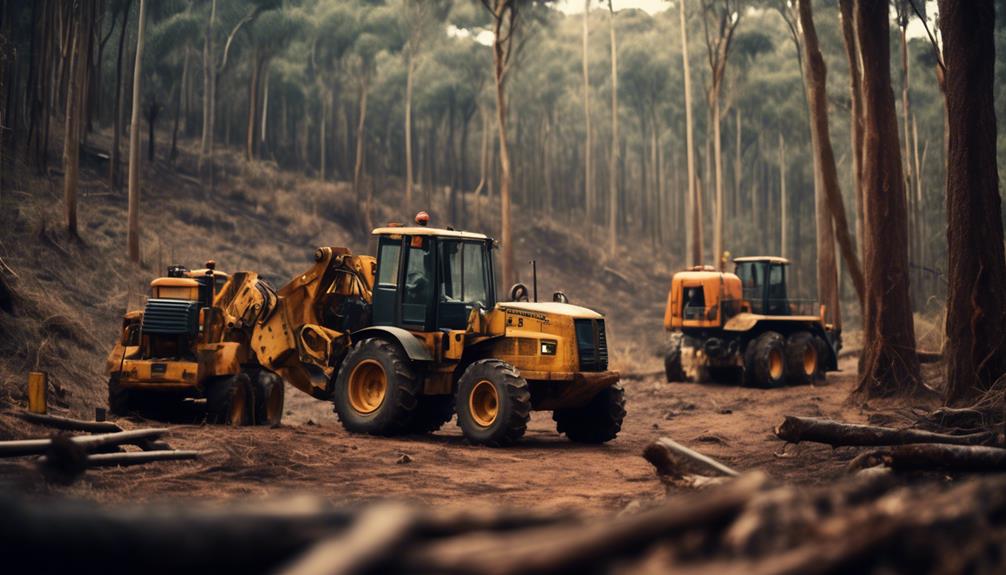
South Africa, known for its vast landscapes, boasts a variety of forest types, from small plots to extensive hardwood forests. The size and type of the forest dictate the kind of machinery required. Larger properties often need heavy-duty equipment such as dozers, excavators, and motor graders for tasks like road construction, debris clearing, and maintenance.
When selecting equipment, other essential factors include budget considerations, operator skills, and safety features. Companies like Forest Pro in South Africa offer a diverse range of equipment and personalized advice, tailoring solutions to specific needs. Understanding the unique demands of South African forestry is the first step in making informed, effective decisions about heavy-duty forestry equipment.
Necessary Forestry Equipment Basics
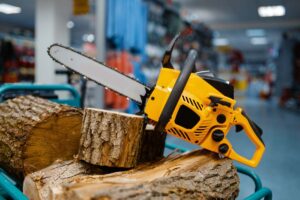
Understanding the basics of necessary forestry equipment is paramount for ensuring both the efficiency and safety of forestry operations in South Africa. This includes selecting appropriate felling and extracting equipment such as chainsaws, harvesters, forwarders, and skidders.
Factors like the type and size of the forest, specific forestry tasks, and budget considerations should guide your choice of forestry equipment. Operator skills, safety features, and budget should also be considered before making a purchase.
To illustrate, consider the following table:
| Equipment Type | Primary Usage | Key Considerations |
|---|---|---|
| Chainsaw | Felling Trees | Operator Skills, Safety Features |
| Harvester | Cutting and Processing Trees | Efficiency, Budget |
| Forwarder | Transporting Logs | Size of Forest, Forestry Tasks |
| Skidder | Pulling Cut Trees | Efficiency, Operator Skills |
Forest Pro, a South African company, offers a diverse range of heavy equipment and personalized advice tailored to your specific needs. Understanding these necessary forestry equipment basics can guide you in making informed decisions, ultimately leading to safer and more efficient forestry operations.
Evaluating Forestry Equipment Durability
Building upon the basic knowledge of forestry equipment, it is crucial to delve into an equally important aspect – evaluating the durability of these machines. When Choosing Forestry equipment in South Africa, it is vital to consider the type and size of the forest as it directly impacts the equipment choice and power required for specific tasks.
The Guide to Choosing the right equipment involves evaluating forestry equipment durability, particularly for heavy-duty tasks in larger properties and hardwood forests. The durability and reliability of used equipment are also important factors, as they can significantly affect operational costs, fuel consumption, and maintenance expenses.
Expert teams like Forest Pro can provide personalized advice and solutions tailored to your specific needs, ensuring the right heavy-duty forestry equipment selection. It is recommended to consider specifications such as gross power and operating weight when evaluating the durability of forestry equipment. This ensures the selected machines are appropriate for specific logging and forestry tasks and can withstand the tough conditions of the job, providing long-term service and value for money.
Importance of Equipment Versatility
The capacity for forestry equipment to undertake various tasks effectively, known as equipment versatility, is a critical factor in forestry operations. This versatility enables efficient handling of diverse forest types and tasks, contributing significantly to operational flexibility.
Understanding Equipment Versatility
In the realm of forestry operations, the significance of equipment versatility cannot be overstated, as it enables efficient and effective management of varied tasks. Understanding the versatility of the equipment used is fundamental to maximizing productivity and minimizing downtime.
This involves selecting equipment that can adapt to changing environmental and operational conditions. Versatile equipment ensures cost-effectiveness and multifunctionality, eliminating the need for multiple specialized machines and thus optimizing resource utilization.
Operational flexibility is also enhanced, as versatile equipment can seamlessly transition between different forestry tasks. Therefore, in choosing heavy-duty forestry equipment in South Africa, understanding and prioritizing equipment versatility is essential for sustainable and proficient forestry management.
Versatility in Forestry Tasks
One cannot overstate the importance of equipment versatility in the management of diverse forestry tasks. Versatile machinery is paramount for diverse terrains and tree sizes, enhancing overall efficiency.
| Versatility Factor | Benefit | Example |
|---|---|---|
| Adaptability | Can manage various terrains and tree sizes | All-terrain vehicles |
| Multifunctionality | Reduces need for multiple machines | Combo machines (feller buncher and skidder) |
| Cost-effectiveness | Streamlines operations economically | Use of multi-purpose machinery |
| Productivity | Minimizes downtime | Use of high-speed harvesters |
Tailoring equipment to versatility in forestry tasks results in cost-effective, streamlined operations. Select equipment that offers adaptability, multifunctionality, and productivity. It's an investment in efficiency and service to the environment and community.
Considering Equipment Maintenance Needs
Regularly conducting maintenance is paramount to ensuring the longevity and optimal performance of your heavy-duty forestry equipment. This necessitates considering the availability of maintenance and repair services in your region before making a purchase. Doing so will help you minimize downtime and maintain productivity levels in your operations.
Moreover, it's vital to evaluate the ease of access to spare parts and technical support for your chosen equipment. This ensures that your maintenance needs are met promptly, preserving the equipment's efficiency and durability. Rights reserved to equipment providers who prioritize user-friendly maintenance features and provide clear guidelines for upkeep processes should be given precedence.
Lastly, factor in the long-term maintenance costs and requirements of the equipment. This involves assessing the overall cost-effectiveness of the equipment, including its purchase price, operating costs, and maintenance expenses. This will help you determine whether the equipment is sustainable for your forestry operations in the long run.
Weighing New Vs. Used Equipment
When deliberating between new and used forestry equipment, it is crucial to consider both your budget and operational requirements. Used equipment often comes with a lower initial cost, offering a cost-effective solution for businesses. The slower depreciation rate of used machinery also means that your investment will retain its value longer, which is beneficial for your balance sheet.
Further, opting for used equipment can provide you with greater business flexibility. Access to a wide inventory of machinery means you can choose the exact equipment that meets your operational needs without having to wait for a new model to be manufactured and delivered.
A notable option to consider in South Africa is Cat Certified Used forestry equipment. These machines not only guarantee high performance but also come with transparent service records and maintained to high standards. This ensures you're not compromising on quality while making a budget-friendly decision. Additionally, used Cat forestry equipment from regional dealers is backed by the Caterpillar warranty, providing comprehensive coverage and peace of mind.
Benefits of Certified Used Equipment
Opting for certified used forestry equipment presents significant advantages, particularly in the South African market.
With the assurance of reliable performance due to rigorous maintenance standards and the transparency of service records, these machines offer an economical yet effective solution.
The utilization of genuine parts for replacements further bolsters equipment reliability, while comprehensive warranties and lower insurance costs contribute to a cost-effective investment.
Certified Equipment Advantages
Investing in Cat Certified Used equipment brings several notable advantages, ensuring optimal performance and reliability in heavy-duty forestry operations.
The certified equipment advantages are:
- Guaranteed performance: With Cat Certified Used, you are assured of equipment that has been thoroughly vetted and tested for optimal performance.
- Transparent service records: This gives you insight into the equipment's history, ensuring you make an informed decision.
- High maintenance standards: All certified used equipment adheres to strict maintenance protocols, ensuring reliability.
- Genuine Cat parts: Only original parts are used for replacements, further enhancing the equipment's reliability.
- Comprehensive coverage: Certified used equipment comes with Caterpillar's warranty, providing you peace of mind.
These advantages make Cat Certified Used equipment a wise investment for heavy-duty forestry operations.
Cost-Effective Used Machinery
A significant reduction in cost, coupled with slower depreciation rates, makes certified used machinery a financially astute choice for forestry operations in South Africa. This cost-effectiveness extends beyond initial purchase, as used machinery also allows for greater business flexibility, empowering operators to expand their equipment fleet as needed.
Notably, Cat Certified Used equipment offers guaranteed performance, maintaining the high standards expected of such machinery. Transparency in service records and adherence to rigorous maintenance standards further enhance the reliability of these machines.
Thus, investing in used Cat forestry equipment from reputable dealers like Caterpillar not only saves money but also ensures high performance and adaptability, making it an optimal choice for the demanding field of forestry.
Essential Heavy-Duty Forestry Machines
When it comes to essential heavy-duty forestry machines, chainsaws and harvesters are fundamental tools for felling tasks, while forwarders and skidders play a critical role in extracting tasks within forestry operations. These machines provide efficiency, productivity, and safety in this demanding industry.
The choice of equipment depends on several factors:
- The type and size of the forest: Diverse terrains require different machinery.
- Specific forestry tasks: Felling, delimbing, and extraction tasks necessitate specialized tools.
- Budget considerations: Aside from initial costs, operational costs, maintenance, and repair should be factored in.
- Operator skills and safety: The level of operator training and safety features of machinery are paramount.
- Expert advice: Companies like Forest Pro offer a wide range of equipment and personalized advice tailored to specific needs.
In essence, selecting the right essential heavy-duty forestry machines involves a careful evaluation of the forest conditions, tasks at hand, budgetary constraints, operator skills, and safety considerations. This can be made easier with expert guidance, ensuring that your forestry operations are not only productive and efficient but also safe and cost-effective.
Top Forestry Equipment Attachments
Building on the essential heavy-duty forestry machines, it's important to highlight the significant role of forestry equipment attachments, such as grapples and bucket attachments, in enhancing the productivity and efficiency of forestry operations. Grapples are versatile, suitable for tree relocation and loading/unloading logging trucks.
Bucket attachments, on the other hand, excel in site clearing, debris cleanup, and extracting tree stumps for removal with precision.
The choice between new and used forestry equipment hinges on factors like cost, depreciation, and business flexibility. Cat Certified Used, for instance, offers reliable pre-owned equipment with transparent service records, genuine parts, and comprehensive coverage.
Moreover, other attachments indispensable in forestry operations include felling heads, harvest heads, delimbers, and mulchers. These play a crucial role, especially in tree processing. They ensure efficiency and precision, vital for successful forestry work.
Hence, understanding the functions of each attachment and investing in the appropriate ones will significantly enhance the effectiveness of your forestry operations. The right attachments not only facilitate work but also extend the longevity and versatility of your heavy-duty forestry equipment.
Special Features for Heavy Duty Tasks
The selection of heavy-duty forestry equipment in South Africa warrants careful attention to specific features aimed at enhancing power capabilities, ensuring durability and lifespan, and incorporating advanced safety measures.
Enhanced power capabilities are critical in order to efficiently execute strenuous tasks, withstand challenging terrains, and ensure consistent performance.
Equally important are durable constructions that promise longevity and advanced safety measures that protect the operator, the equipment, and the environment.
Enhanced Power Capabilities
Undeniably, enhanced power capabilities play a critical role in heavy-duty forestry tasks, facilitating efficient operations even in the most demanding conditions. Optimal performance and productivity are ensured by these special features.
When choosing forestry equipment in South Africa, consider the following:
- Look for equipment with increased engine power for sustained performance during prolonged heavy-duty tasks.
- Choose machinery with strong hydraulic systems that can handle the pressure of tough terrains and larger trees.
- Evaluate the equipment's ability to handle heavy-duty tasks like felling, extracting, and transporting trees.
- Ascertain that the equipment has the enhanced power capabilities needed for efficient operations.
- Prioritize machinery that guarantees optimal performance and productivity in all forestry operations.
Durability and Lifespan
While enhanced power capabilities are crucial for the efficient operation of heavy-duty forestry equipment, equally important is the durability and lifespan of these machines, particularly in relation to their special features designed for rigorous tasks.
When choosing such equipment in South Africa, look for those with reinforced frames and components, high-quality materials, and strong construction for maximum durability. Such features ensure the equipment can withstand tough forestry conditions.
Additionally, consider equipment with extended warranty options or robust after-sales support, which can guarantee a longer lifespan and efficient performance. Features such as protective guards, reinforced tracks, and advanced cooling systems further enhance the durability and lifespan of these machines in demanding forestry tasks.
Advanced Safety Measures
In the rigorous world of forestry tasks, prioritizing advanced safety measures in selecting heavy-duty equipment becomes indispensable for mitigating high-risk situations. Making the right choice involves a careful assessment of the safety features offered by each machinery variant.
To ensure optimal protection during high-risk operations, consider the following special features:
- Safety interlocks and emergency stop buttons
- Reinforced guarding to prevent accidents
- Advanced monitoring systems and automatic shutdown features
- Ergonomic design and comfort features to reduce operator fatigue
- Enhanced stability and traction control systems
These advanced safety measures, when incorporated into heavy-duty forestry equipment, can significantly reduce the risk of accidents and incidents, thereby promoting a safer and more efficient work environment.
Cost and Financing Options
Taking into account the substantial financial commitment involved in forestry operations, it is crucial to carefully consider both operational costs and financing options when selecting heavy-duty forestry equipment. Operational costs, encompassing aspects such as fuel consumption and maintenance expenses, form a significant part of the overall expenditure. Therefore, a thorough budget assessment is vital.
Choosing between new and used equipment is another cost-related decision that depends on your specific budget and operational requirements. Used equipment, like those available through Cat Certified Used, can offer assured performance, transparent service records, and high maintenance standards, potentially reducing long-term costs.
Financing options can ease the financial burden of acquiring forestry equipment. Forest Pro offers a diverse range of financing solutions, providing personalized advice and options tailored to your unique needs. Remember, the cost is not merely about the initial outlay but also includes operator training and safety considerations. Some equipment may require specialized training, adding to the cost. Therefore, selecting equipment with prioritized safety features may prove cost-effective in the long run.
Understanding the cost and financing options thoroughly can lead to more financially sustainable forestry operations.
Reliable Forestry Equipment Suppliers
Frequently, the success of forestry operations hinges on partnering with reliable suppliers who have a steadfast commitment to providing top-tier, durable machinery. The choice of reliable forestry equipment suppliers can significantly influence the efficiency and productivity of your business.
When choosing suppliers, consider the following factors:
- Look for suppliers with a proven track record of providing high-quality and durable machinery. Their reputation will give you confidence in the long-term performance of the equipment.
- Consider the diversity of equipment offered. Suppliers with a broad range of machinery can cater to all your specific needs and operational requirements.
- Suppliers with experienced teams can guide you through the machinery selection process, providing personalized advice and solutions tailored to your requirements.
- Safety should be a priority. Suppliers who emphasize safety features in their equipment and offer specialized training for operating machinery are invaluable.
- Choose suppliers who offer transparent service records, maintain high standards, and provide comprehensive coverage for pre-owned equipment. This ensures the reliability and performance of the machinery.
Post-Purchase Equipment Care Tips
Proper care and maintenance of forestry equipment post-purchase is paramount to ensuring its optimal performance, longevity, and safety on the job. These post-purchase equipment care tips are an essential part of managing heavy-duty machinery in South Africa's forestry industry.
Regular inspection and maintenance of the equipment is crucial. This practice will help detect potential issues early, preventing costly repairs and downtime. Similarly, cleaning the equipment after each use prevents debris buildup, which can cause significant damage over time.
Adhering to the manufacturer's guidelines for maintenance and servicing is another key aspect of post-purchase care. This adherence not only upholds your equipment's warranty but also ensures its optimal condition. Keeping a detailed log of equipment maintenance, repairs, and any encountered issues provides a valuable reference and aids efficient tracking of the machinery's health.
Lastly, proper operator training can significantly minimize wear and tear and prevent accidents. This includes imparting knowledge of proper equipment handling, safety protocols, and basic troubleshooting. These measures ensure your forestry equipment remains in prime condition, maximizing value from your investment and serving to promote a safer, more productive working environment.