Forestry is a complex industry, defined by diverse operations and specific needs. Selecting the right equipment is critical to achieving efficiency, safety, and sustainability. However, with a multitude of options available, this task can be daunting.
Understanding Forestry and Its Requirements
Forestry operations, from felling and extraction to loading and processing, require specialized equipment. Using inappropriate or inadequate tools can result in decreased efficiency, increased safety risks, and a negative environmental impact.
Types of Forestry Equipment
Forestry equipment can be broadly classified into four categories: Felling, Extracting, Loading and Transport, and Processing Equipment.
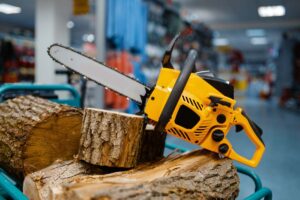
Felling Equipment such as chainsaws and harvesters, are used to cut down trees. Chainsaws offer versatility and mobility, while harvesters provide efficiency for large-scale operations.
Extracting Equipment moves the felled trees to a central location. Forwarders and skidders are typically used for this task. Forwarders carry logs clear off the ground, while skidders drag them.
Loading and Transport Equipment like knuckleboom loaders and self-loading trucks, are responsible for loading the logs onto vehicles and transporting them to the desired location.
Processing Equipment, including delimbers and chippers, prepare the logs for sale or further use. Delimbers remove branches from the logs, while chippers break down the wood into chips.
Factors to Consider When Choosing Forestry Equipment
Choosing the right forestry equipment involves considering several factors:
Type and Size of the Forest – Hardwood forests might require more powerful equipment than softwood forests. The size of the property also impacts the choice of equipment, with larger properties necessitating more efficient, heavy-duty machinery.
Specific Forestry Tasks – Each forestry task requires specific equipment. For example, felling tasks require chainsaws or harvesters, while extraction tasks require forwarders or skidders.
Budget Considerations – Beyond the initial investment, consider operational costs, including fuel consumption and maintenance expenses. Also, decide between new and used equipment based on your budget and requirements.
Operator Skills and Safety – Some equipment may require specialized training to operate. Additionally, safety features should be a priority in your selection process.
Making the Right Choice with Forest Pro
Forest Pro understands the intricacies of forestry equipment. Our experienced team can guide you through the selection process, ensuring you choose the equipment that best suits your needs. With a diverse range of forestry equipment, Forest Pro is equipped to cater to all your forestry operations.
Conclusion
Choosing the right forestry equipment is crucial to successful, efficient, and safe forestry operations. It involves a careful evaluation of your needs, an understanding of the available options, and making an informed decision. Reach out to Forest Pro for personalized advice and solutions tailored to your specific forestry needs.