In South Africa's flourishing forestry sector, the ascent in machinery imports marks a pivotal shift towards optimizing operations. If you're involved in this industry, you may be navigating the complexities of integrating these tools into your workstream.
As these six key pieces of equipment—chainsaws, log splitters, wood chippers, stump grinders, forestry mulchers, and skidders—become more prevalent, the challenge lies in understanding their impact on your business and the broader market. With years of industry insight, this discussion is poised to shed light on the subtleties of these changes, from regulatory considerations to the ripple effects on local equipment vendors.
The import trends of these essential machines not only mirror the sector's drive for advancement but also reveal the nuanced interplay between efficiency demands and safety concerns. Whether you're a seasoned professional or new to the field, the implications touch upon your everyday operations and strategic decisions.
By exploring these developments together, we embark on a journey to grasp the full picture of South Africa's forestry equipment landscape, assuring you that the insights ahead will cater to your most pressing inquiries and guide you through the evolving terrain of forestry technology.
Key Takeaways
- China is the largest exporter of forestry equipment to South Africa, followed by Germany, the United States, Japan, and Italy.
- The import value of machinery and mechanical appliances in the forestry equipment market has shown a consistent upward trend from 2015 to 2020.
- Imported forestry machinery contributes to technological advancement and modernization of the industry, enhancing efficiency and productivity.
- The top imported forestry equipment in South Africa includes earthmoving equipment for infrastructure projects, material handling equipment for the manufacturing sector, and road construction equipment for mining-related road construction.
Analyzing South Africa's Forestry Equipment Market
In a detailed scrutiny of South Africa's forestry equipment market, it becomes apparent that the country heavily relies on imports, with the import value of machinery and mechanical appliances showing a consistent upward trend from 2015 to 2020. This trend underscores the persistent demand for modern machinery and advanced technology in South Africa's forestry sector, a vital component of its economy.
China has emerged as the largest exporter of forestry equipment to South Africa, indicating its dominance in this sector. Germany, the United States, Japan, and Italy also contribute significantly, reflecting the global nature of South Africa's forestry equipment supply chain.
The import value of forestry equipment has experienced yearly fluctuations, an indication of the market's dynamic nature. Yet, the overall growth trajectory from 2015 to 2020 illustrates the sustained need for diverse types of equipment to support South Africa's expanding forestry operations.
These imports play a crucial role in bolstering various sectors, including manufacturing, construction, and agriculture. They contribute to job creation, economic growth, and development, emphasizing the vital role of forestry equipment in South Africa's socio-economic landscape.
Impact of Imported Forestry Machinery
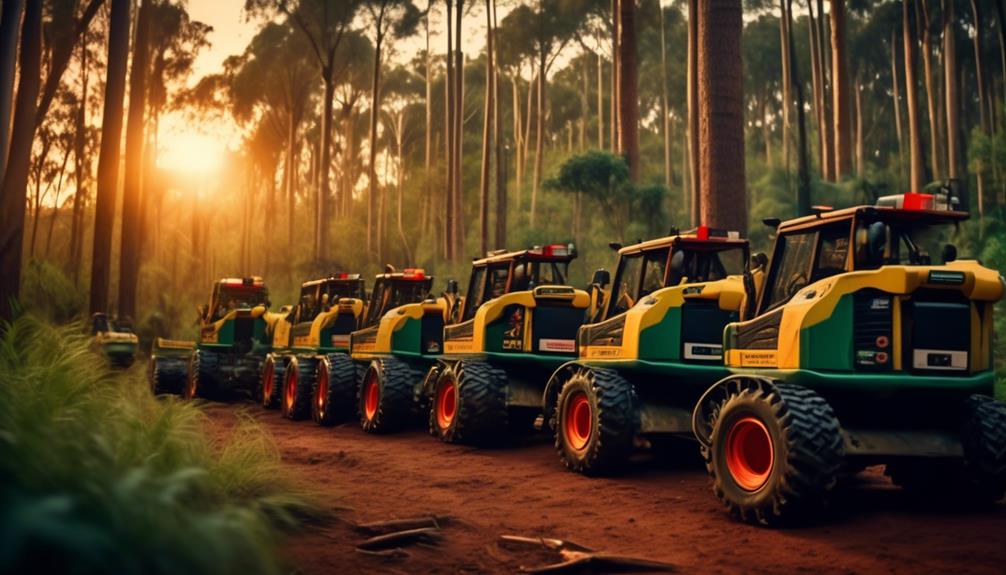
Building on the understanding of South Africa's reliance on imported forestry equipment, it is essential to explore the profound impact this machinery has on the industry's modernization, economic growth, and adherence to sustainable practices. The importation of forestry machinery, including brands like John Deere, contributes significantly to the technological advancement and modernization of the South African forestry industry.
Moreover, these imports stimulate economic growth through job creation and industry development. The efficiency and productivity of forestry operations are enhanced, driving overall industrial progress. Furthermore, the South African commitment to sustainable forestry practices is reflected in their choice of advanced imported equipment, aligning with global environmental standards.
The diversity of the top 6 imported machinery highlights the range of specialized equipment available, meeting the industry's specific needs.
| Impact | Example | Outcome |
|---|---|---|
| Modernization | John Deere machinery | Technological advancement |
| Economic Growth | Job creation | Industry development |
| Sustainability | Advanced imported machinery | Alignment with global standards |
| Efficiency & Productivity | Specialized equipment | Increased operations output |
| Diversity | Top 6 imports | Meeting industry needs |
Top Imported Forestry Equipment
In the sphere of South African forestry, certain imported equipment holds a distinct reputation for reliability and performance. These popular imports and their pivotal role in shaping the industry's operations will be our focus.
Additionally, we will consider the impact of these imports on local industry dynamics, offering an analytical and detailed perspective.
Popular Forestry Equipment Imports
What types of forestry equipment are most commonly imported into South Africa, one might ask? The answer lies in the high demand for earthmoving equipment, material handling equipment, and road construction equipment, driven by significant investments in infrastructure projects and growth in the construction, manufacturing, and mining sectors.
These innovative products are essential tools, aiding in the advancement of South Africa's infrastructure and economy.
Here, we present the top three imported forestry equipment:
| Equipment Type | Use | Industry Driving Demand |
|---|---|---|
| Earthmoving Equipment | Infrastructure projects | Construction |
| Material Handling Equipment | Handling raw materials | Manufacturing |
| Road Construction Equipment | Road construction | Mining |
There's no denying the importance of these imports in shaping the country's economic growth and future.
Essential Forestry Machinery
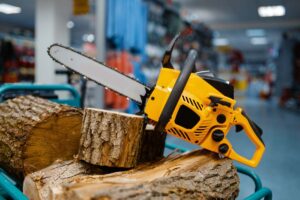
Among the top imported equipment in South Africa's forestry sector, Essential Forestry Machinery plays a pivotal role. This category encompasses a range of tools including chainsaws, log splitters, wood chippers, and portable sawmills. These machines are specifically designed to meet the needs of the local industry and significantly enhance efficiency and productivity. Technological advancements have further increased their performance, minimizing labor-intensive tasks and promoting cost effectiveness.
Moreover, these innovations contribute to environmental sustainability by facilitating sustainable forest management practices. Proper utilization of these tools ensures minimal damage to the ecosystem while maximizing yield. Therefore, the continued import of these Essential Forestry Machinery tools is crucial for the sustainable development and competitiveness of South Africa's forestry industry.
Impact on Local Industry
The influx of imported forestry equipment significantly shapes the South African local industry, acting as a catalyst for technological advancement, efficiency in forestry operations, and fostering a competitive environment for local manufacturers.
The economic implications are profound as these imports boost productivity, potentially leading to an increase in the local industry's income. Technological advancements introduced by these imports enhance operational efficiency, directly impacting the quality of forestry products.
Furthermore, the competition stimulated by these imports encourages local manufacturers to innovate, thereby contributing to skills development. However, it requires training for workers to adapt to new technologies, prompting an investment in human capital.
Forestry Equipment Supplier Overview
Given the significant growth and demand in the forestry equipment sector in South Africa, it is crucial to understand the landscape of suppliers in this market. A comparison of forestry equipment suppliers reveals a competitive field marked by constant innovation, robust maintenance services for forestry machinery, and a commitment to incorporating technological advancements in forestry equipment.
Suppliers are continuously striving to enhance the efficiency and durability of their machinery, leveraging technological advancements to meet the evolving needs of the forestry sector. This commitment to progress is reflected in their robust maintenance services, which ensure that forestry machinery operates at peak efficiency.
These suppliers are not only meeting the current demand but also positioning themselves for the projected growth in this sector. This growth is driven by factors such as government investment in public infrastructure development, upcoming projects like The Lanseria Smart Mega City, and initiatives to make the mining sector greener.
The supplier landscape is, therefore, characterized by a forward-thinking approach and a commitment to service, reflecting the sector's potential for continued growth and the suppliers' readiness to meet it.
Import Process and Regulations
Navigating the intricate import process and regulations is a fundamental aspect to consider when importing forestry equipment into South Africa. Importers face import process challenges ranging from understanding compliance requirements to preparing accurate customs documentation.
The following points offer a snapshot of the critical elements in this process:
- Adherence to South African customs regulations is mandatory. Ensuring the correct documentation is submitted to the customs authority is paramount to the smooth flow of goods into the country.
- Being aware of and prepared for any import duties, taxes, and tariffs is a significant financial consideration.
- Ensuring the forestry equipment meets South Africa's stringent safety and environmental protection standards is crucial.
- Engaging with experienced freight forwarders and customs brokers can significantly simplify the import process, providing expert guidance through every step.
Future Trends in Forestry Equipment Imports
As we gaze into the future of forestry equipment imports in South Africa, the adoption of advanced technology and automation emerges as a pivotal trend, promising enhanced efficiency and productivity in the forestry industry. However, potential challenges in adopting advanced technology in forestry equipment imports, such as high costs, lack of skilled personnel, and stringent regulations could hinder this progression.
Government regulations play a key role in promoting eco-friendly forestry equipment imports. Stricter environmental standards are expected to drive the demand for energy-efficient and sustainable machinery. Importers are likely to pivot towards electric and hybrid models, aligning with the country's renewable energy initiatives.
Another noteworthy trend is the integration of telematics and IoT-enabled solutions in forestry equipment imports. These technologies offer extensive benefits including improved monitoring, preventive maintenance, and superior operational capabilities. This, in turn, augments safety and reduces unplanned downtime, delivering value to both the operator and the overall industry.